Views: 0 Author: Site Editor Publish Time: 2026-04-03 Origin: Site


Selecting the right marine fender is one of the most important decisions in any docking, berthing, or mooring project. A properly chosen marine fender protects vessels, quay walls, jetties, dolphins, and other marine structures from impact damage during contact. A poorly selected marine fender, however, can lead to excessive reaction force, insufficient energy absorption, higher maintenance costs, premature failure, and safety risks. In ports, harbors, shipyards, offshore terminals, and even smaller marina environments, vessels rarely berth under perfectly controlled conditions. Wind, waves, currents, tidal changes, vessel size differences, and approach angles all influence the force of impact during berthing. This means that choosing a marine fender is not simply a matter of buying a standard product. It requires understanding vessel characteristics, berthing energy, structural needs, environmental conditions, and long-term operating demands. Because there are many different types of marine fender products on the market, buyers often face the same question: how do you choose the right size and type? The answer depends on both engineering performance and real operating conditions. A container terminal handling large vessels has very different requirements from a fishing harbor, tug berth, or inland jetty. Similarly, a fixed quay wall may need a different marine fender arrangement than a floating pontoon or ship-to-ship transfer operation. This guide explains how to choose the right marine fender by looking at the most important selection factors, comparing major fender types, and understanding how size, performance, and application fit together. A marine fender is designed to absorb kinetic energy when a vessel comes into contact with a berth or another vessel. Its job is to reduce impact forces and protect both the ship hull and the fixed structure. If the marine fender is too small, it may not absorb enough energy. If it is too stiff, the reaction force may be too high. If it is the wrong type, it may not suit the vessel profile, structural arrangement, or operating environment. The right marine fender helps achieve several goals: Safe berthing operations Lower damage risk to vessels and structures Reduced long-term maintenance cost Better operational efficiency Longer service life of the marine installation Improved reliability under varying environmental conditions For these reasons, marine fender selection should always be treated as an engineering and operational decision rather than just a purchasing choice. The size of a marine fender is not chosen randomly. It is based on how much berthing energy the fender must absorb and how much reaction force the structure and vessel can safely handle. Several key factors influence marine fender size. Larger vessels carry greater mass, and greater mass means greater berthing energy. A small service boat requires far less protection than a bulk carrier, cruise ship, or oil tanker. Vessel displacement is therefore one of the most important inputs when determining marine fender size. In general, as vessel size increases, the required marine fender performance also increases. This often leads to larger fender dimensions, stronger systems, and wider frontal panels. Even a moderately sized vessel can generate substantial impact energy if the berthing speed is high. Berthing velocity is a critical factor in marine fender design because energy increases rapidly with speed. Ports with limited tug support, exposed weather, or operational variability may need larger or higher-capacity marine fenders. Ships do not always berth in a perfectly parallel manner. Sometimes the vessel contacts the berth at an angle, causing uneven loading and eccentric compression. In such cases, the marine fender must perform well under angular compression, not just direct compression. This is one reason why some high-performance marine fender types, such as cone fenders, are preferred in demanding berthing environments. Large tidal variation affects contact height and load distribution. In locations with significant tide changes, the marine fender system may need larger panels, floating solutions, or a configuration that provides effective protection across a wider vertical range. Wind, wave action, current, temperature, and salinity all affect marine fender selection. Harsh marine environments often require a more durable fender type, stronger support systems, and corrosion-resistant accessories. The size of the marine fender must also match the structural capacity of the berth. A fender that generates too much reaction force can overload the quay wall, jetty, or dolphin structure. Good fender design is always a balance between enough energy absorption and controlled reaction force. Before choosing a marine fender, it is important to understand a few basic performance terms. Energy absorption refers to how much impact energy the marine fender can absorb during berthing. This is one of the main measures of fender capability. A higher energy absorption rating generally means the marine fender can handle larger vessels or more demanding berthing conditions. Reaction force is the resisting force generated when the marine fender compresses. This force is transferred to both the vessel and the berth structure. The goal is to keep reaction force within acceptable limits while still absorbing enough energy. A good marine fender typically provides a favorable balance of high energy absorption and relatively low reaction force. Deflection is the amount the marine fender compresses under load. Different fender types are designed for different working deflection ranges. Proper operation within the recommended deflection range is essential for performance and durability. Hull pressure is the local pressure exerted on the vessel side. In some applications, especially with large or sensitive hulls, low hull pressure is very important. Frontal panels are often added to marine fender systems to spread the load over a larger contact area and reduce pressure. There is no single best marine fender for every application. The correct type depends on vessel size, berth structure, operational demands, and budget. The cell fender is one of the most common high-performance marine fender types used in modern ports. It has a robust cylindrical body and is often installed with a frontal panel. Cell fenders are a strong choice when: Large vessels berth regularly High energy absorption is required Long service life is important The project needs a proven and widely used system High energy absorption Strong and reliable design Suitable for large frontal panels Good all-around performance Widely used in commercial ports A cell marine fender is often chosen for container terminals, bulk terminals, general cargo berths, and major harbor structures. Cone fenders are considered one of the most efficient fixed marine fender types for heavy-duty applications. Their geometry provides excellent performance, especially under angular loading. Cone fenders are ideal when: Berthing conditions are demanding Angular compression may occur Space optimization matters High efficiency is required Very good energy-to-reaction ratio Stable under angular loading Efficient design for modern ports Suitable for high-performance berths For ports handling large container ships, tankers, and bulk carriers, a cone marine fender is often one of the best solutions. The arch fender is a simpler and more economical marine fender commonly used in medium-duty applications. It offers dependable performance and is easy to install. Arch fenders are suitable for: Small and medium ports General cargo berths Fishing harbors Workboat docks Applications needing a cost-effective solution Simple structure Durable and practical Economical compared with heavy-duty systems Easy maintenance An arch marine fender is often the right choice where operating conditions are moderate and budget efficiency is important. The cylindrical fender is one of the oldest and most versatile marine fender types. It is simple in construction and suitable for many general-purpose applications. Cylindrical fenders are commonly used for: Small to medium berths Jetties and dolphins Barges and utility docks Locations where simplicity matters Easy to install Economical Flexible application range Proven traditional solution Although advanced designs now dominate large commercial ports, cylindrical marine fenders remain useful in many smaller marine projects. D type fenders and square fenders are profile-style marine fender products commonly used for lighter-duty protection. Small boats Tugs Workboats Pontoons Small piers Quay edges These marine fender types are generally chosen when impact loads are lower and the project needs a compact, practical protective solution. W fenders and M fenders are commonly used on tugboats and workboats. Their shapes make them suitable for curved hull areas and heavy contact operations. These are good options for: Tugboat bows and sterns Workboats Push boats Exposed heavy-contact service areas For vessels that repeatedly push or contact other hulls, a specialized marine fender profile like W or M type is usually better than a general berth fender. A pneumatic fender is an air-filled floating marine fender often used in ship-to-ship transfer, temporary berthing, and locations with large tidal variation. Pneumatic fenders are especially useful when: Ship-to-ship operations are involved Floating protection is needed Tidal range is large Temporary or flexible deployment is required High energy absorption Low hull pressure Floating capability Easy deployment and relocation Suitable for offshore and transfer operations A pneumatic marine fender is widely used for LNG operations, naval berthing, offshore projects, and vessel transfer zones. Foam fenders are another floating marine fender option. They are generally made with a foam core and a durable outer skin. Foam fenders are suitable for: Harbors with floating protection needs Offshore terminals Ship-to-ship operations Installations where unsinkable performance is valuable Buoyant and unsinkable Good energy absorption Durable outer surface Suitable for floating and offshore use Selecting the right marine fender type becomes easier when you start with the application. Ports handling container ships, tankers, and bulk carriers usually need high-capacity systems. In these cases, cell fenders and cone fenders are often preferred because they offer strong performance, durability, and compatibility with large frontal panels. For smaller berths, fishing ports, municipal docks, and medium-duty industrial facilities, arch fenders and cylindrical fenders often provide a good balance of performance and cost. Tug operations involve repeated close contact and pushing loads. W fenders, M fenders, square fenders, and tug cylindrical fenders are commonly selected because they fit vessel contours and withstand severe service. Ship-to-ship operations often require floating marine fender solutions. Pneumatic fenders and foam fenders are popular choices because they offer strong energy absorption while adapting to vessel movement and tide conditions. D type fenders, square fenders, and keyhole fenders are practical in lighter-duty situations where compact edge protection is needed. Many buyers assume that choosing a bigger marine fender is always safer. In reality, oversizing can also create problems. An oversized marine fender may: Generate excessive reaction force Increase project cost unnecessarily Require heavier structure support Create installation complications Fail to match actual operating conditions efficiently The goal is not the largest marine fender. The goal is the correct marine fender for the real berth design and vessel traffic. In many modern marine fender systems, especially cell and cone designs, the rubber unit is paired with a frontal panel or frontal frame. This steel panel is mounted in front of the fender and often includes low-friction pads such as UHMW-PE. Frontal panels improve performance by: Distributing load over a larger hull area Reducing hull pressure Allowing better contact with different vessel shapes Enhancing overall system efficiency When choosing marine fender size and type for larger berths, the panel system is often just as important as the rubber element itself. A marine fender operates in a harsh environment involving seawater, sunlight, repeated compression, and sometimes severe weather. High-quality rubber compounds, durable steel fabrication, and reliable protective coatings all matter. A low-quality marine fender may look acceptable at the time of purchase but can degrade much faster in service. The berth layout and installation method also influence marine fender choice. Some projects need easy retrofitting. Others need heavy-duty engineered assemblies with anchors, chains, frontal panels, and custom steel supports. Some marine fender systems require more maintenance than others. Buyers should consider inspection access, replacement ease, corrosion risks, and long-term service practicality. The initial product cost is only one part of the decision. A better marine fender often reduces downtime, maintenance, replacement frequency, and damage risk over many years. That is why many experienced owners focus on total life-cycle value instead of the lowest purchase price. Several mistakes appear frequently in marine projects. The cheapest marine fender is not always the most economical solution. Low initial cost can lead to high repair and replacement costs later. A berth serving multiple vessel types needs a marine fender system that can handle different hull forms, sizes, and approach conditions. Wave motion, wind, and current can increase berthing severity. Choosing a marine fender without accounting for these factors can lead to underperformance. Even if a marine fender absorbs enough energy, it must not overload the quay wall or berth structure with excessive reaction force. A profile fender suited to a small workboat dock may not be appropriate for a commercial deepwater berth. Matching type to application is essential. A sound marine fender selection process usually includes: Identifying vessel sizes and types Calculating berthing energy Reviewing environmental and tidal conditions Checking berth structural capacity Comparing marine fender performance data Evaluating installation and maintenance needs Considering long-term cost and durability Working with an experienced manufacturer or engineering team This process helps ensure the chosen marine fender system performs reliably over time. Marine fender selection is not only about product supply. It also requires manufacturing consistency, engineering understanding, and dependable service. An experienced supplier can help buyers choose the right size and type of marine fender based on actual project conditions rather than guesswork. A capable manufacturer should offer: A broad marine fender product range Reliable production capacity Stable rubber and steel quality Engineering support Quality control and testing International project experience Relevant certifications These strengths help reduce risk and improve project confidence. Choosing the right size and type of marine fender is essential for safe and efficient berthing operations. The right solution depends on vessel size, berthing energy, approach conditions, tidal variation, environmental loads, structure capacity, and long-term maintenance expectations. There is no universal marine fender for every project. Instead, the best choice comes from matching performance characteristics to real operating needs. For large commercial berths, cell fenders and cone fenders are often preferred for their high efficiency and durability. For medium-duty projects, arch fenders and cylindrical fenders remain practical and reliable. For tugboats and workboats, specialized profiles such as W fenders, M fenders, and tug cylindrical fenders are usually the better solution. For floating or ship-to-ship applications, pneumatic fenders and foam fenders provide excellent flexibility and protection. When buyers focus on proper engineering, material quality, and long-term value, the marine fender system will perform more safely and economically over its service life. For companies seeking dependable marine fender products, China Marine Rubber (Qingdao) Industrial Co., Ltd. (CMR) is a professional manufacturer specializing in marine rubber fenders, engineering rubber products, and steel structure products. With a wide product range including Cell Fender, Cone Fender, Arch Fender, D Type Fender, Cylindrical Fender, Tug Cylindricals, W Fender, M Fender, Pneumatic Fender, Foam Fender, frontal panels, ladders, and bollards, CMR is committed to supplying excellent products, reliable quality, and genuine service for global marine projects. The right marine fender size depends on vessel displacement, berthing velocity, approach angle, environmental conditions, and structural capacity. It should be selected based on energy absorption and reaction force requirements, not just physical dimensions. For large commercial ports, cell fenders and cone fenders are often the preferred options because they provide high energy absorption, reliable performance, and good compatibility with frontal panels. Not always. Pneumatic fenders are excellent for floating and ship-to-ship applications, while fixed rubber marine fenders such as cell or cone types are often better for permanent berth installations. The best choice depends on the application. In some cases a berth can serve multiple vessel types with one marine fender system, but the design must account for the full operating range. In many projects, the system is optimized to safely handle the most demanding vessel conditions. Reaction force matters because it affects both the vessel hull and the berth structure. A marine fender must absorb enough energy without transmitting excessive force that could damage infrastructure or the ship.Why Choosing the Right Marine Fender Matters
What Determines Marine Fender Size?
Vessel Size and Displacement
Berthing Velocity
Approach Angle
Tidal Variation
Environmental Conditions
Structure Strength
Main Performance Terms to Understand
Energy Absorption
Reaction Force
Deflection
Hull Pressure
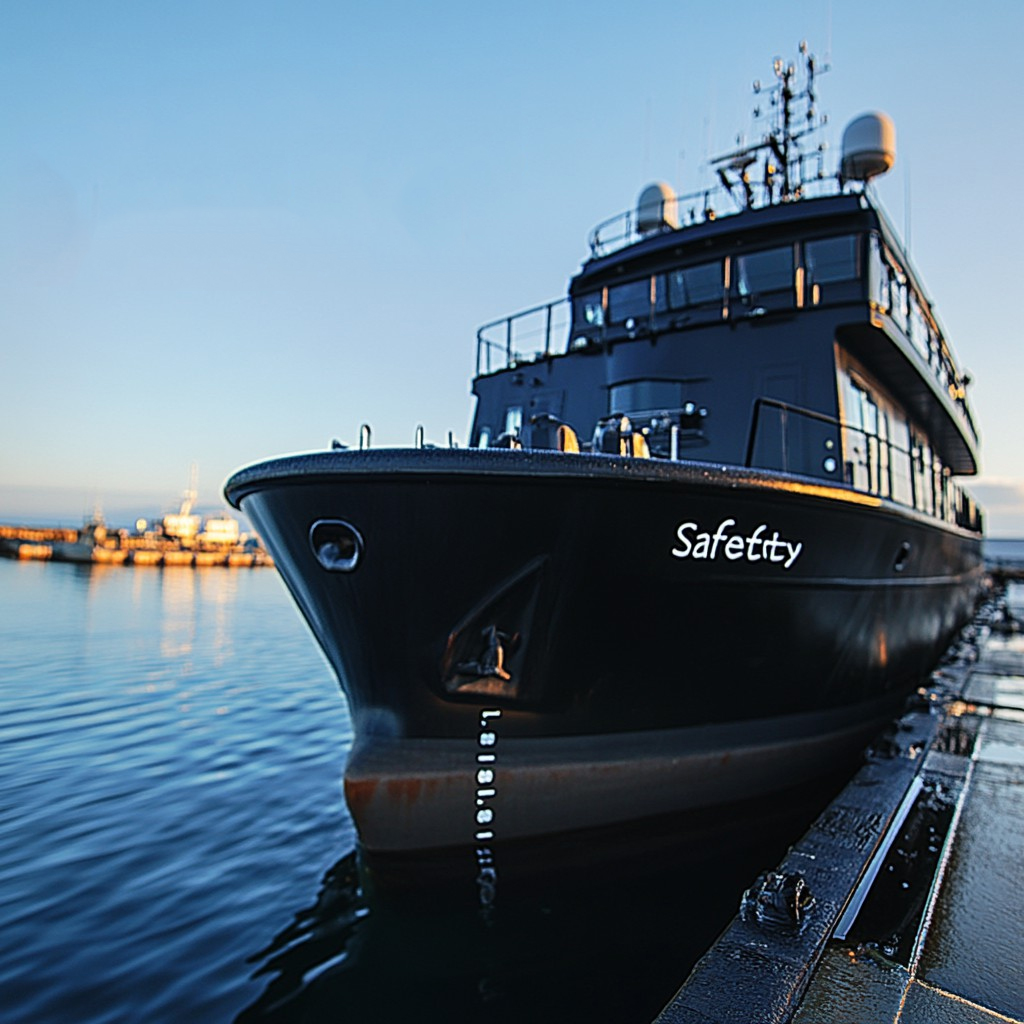
Types of Marine Fenders and Their Typical Uses
Cell Fender
When to Choose a Cell Fender
Advantages of Cell Fender
Cone Fender
When to Choose a Cone Fender
Advantages of Cone Fender
Arch Fender
When to Choose an Arch Fender
Advantages of Arch Fender
Cylindrical Fender
When to Choose a Cylindrical Fender
Advantages of Cylindrical Fender
D Type Fender and Square Fender
Typical Uses
W Fender and M Fender
When to Choose W or M Fender
Pneumatic Fender
When to Choose a Pneumatic Fender
Advantages of Pneumatic Fender
Foam Fender
When to Choose a Foam Fender
Advantages of Foam Fender
How to Match Marine Fender Type to Application
For Large Commercial Ports
For Small and Medium Harbors
For Tugboats and Workboats
For Ship-to-Ship Transfer
For Low-Cost Profile Protection
Why Fender Size Is Not Just About Bigger Is Better
The Role of Frontal Panels in Marine Fender Selection
Other Practical Considerations When Choosing a Marine Fender
Durability and Material Quality
Installation Conditions
Maintenance Requirements
Life-Cycle Cost
Common Mistakes When Choosing Marine Fenders
Choosing Only by Price
Ignoring Vessel Variety
Underestimating Environmental Loads
Overlooking Structural Limits
Using the Wrong Fender Type for the Job
How to Make a Better Marine Fender Selection
Why Working With an Experienced Manufacturer Matters
Conclusion
FAQ
1. How do I choose the right marine fender size?
2. Which marine fender type is best for large ports?
3. Are pneumatic fenders better than fixed rubber marine fenders?
4. Can I use the same marine fender for all vessel types?
5. Why is reaction force important when selecting a marine fender?