Views: 0 Author: Site Editor Publish Time: 2026-04-01 Origin: Site


If you own or operate a boat, knowing how to tie rope to a marine fender is a basic but very important skill. A marine fender is designed to protect your boat from impact, rubbing, and damage when docking alongside a pier, jetty, another vessel, or marina berth. However, even the best marine fender will not work properly if it is tied incorrectly. Poorly secured fenders can slip, hang too high, drag in the water, or shift out of place just when you need them most. That is why understanding how to tie rope to a marine fender matters. The right knot, the right rope length, and the right positioning can make a big difference in protecting your vessel’s hull. Whether you are a beginner boat owner or an experienced marine operator, learning proper fender tying methods will help improve safety, convenience, and docking performance. In this guide, we will explain how to tie rope to a marine fender step by step, which knots are commonly used, what mistakes to avoid, and how to position a marine fender correctly for the best protection. A marine fender works as a cushion between your boat and another surface. It absorbs contact and reduces direct pressure on the hull. But the marine fender can only do its job if it is fixed in the correct position. If a rope is tied too loosely, the marine fender may slide down and become ineffective. If the knot is weak, the fender may fall into the water or drift away. If the height is wrong, the fender may fail to protect the point of contact. For this reason, tying rope to a marine fender is not just a simple task. It is part of good seamanship. Proper tying helps you: Keep the marine fender at the correct height Prevent the fender from moving during docking Avoid rope slippage Protect the hull from scratches and impact Make docking safer and more efficient Before discussing tying methods, it helps to understand what a marine fender is. A marine fender is a protective device placed between a vessel and a dock, quay, jetty, lock wall, or another boat. Its main function is to absorb impact energy and reduce damage during berthing or mooring. There are many types of marine fender products in the maritime industry. On small boats and yachts, boat fenders are usually portable and tied with rope. In ports and commercial marine facilities, larger fixed marine fender systems such as cell fenders, cone fenders, arch fenders, cylindrical fenders, pneumatic fenders, and foam fenders are installed as engineered protective systems. For small craft, however, the most common question is practical: how do you tie rope to a marine fender correctly? Most small boat marine fenders are designed with a hole or eye at one or both ends for rope attachment. Depending on the design, the fender may be vertically hung or horizontally mounted. The main parts include: This is the main inflated or solid protective section that absorbs contact and prevents hull damage. This is where the rope passes through or attaches. Some marine fenders have one eye, while others have reinforced ends for stronger fastening. The fender line is the rope used to hang and secure the marine fender to a cleat, rail, stanchion base, or another fixing point on the boat. Choosing the right rope is the first step before tying it to a marine fender. Not every rope is equally suitable. A good fender rope should be: Strong enough to hold the marine fender securely Soft enough to handle easily Resistant to water, sunlight, and marine weather Appropriate in diameter for the fender eye and boat hardware Nylon and polyester ropes are commonly used because they are durable and perform well in marine conditions. Many boat owners prefer braided fender lines because they are neat, easy to tie, and attractive in appearance. The rope should also be long enough to allow flexible height adjustment. If the rope is too short, you may not be able to place the marine fender at the right level. If it is too long, it may create clutter or become a tripping hazard. The exact method depends on the style of marine fender and where you plan to secure it on the boat. However, the general process is simple and practical. Take the fender line and pass one end through the eye or hole in the marine fender. If the fender has two eyes and is meant to hang vertically, you usually tie to the top eye. If it is intended to be placed horizontally, you may need to secure both ends. Make sure the rope runs cleanly through the eye without twisting or fraying. Before tying the final knot, hold the marine fender against the side of the boat and determine the correct height. In most docking situations, the center of the marine fender should protect the area most likely to contact the dock or another vessel. The ideal height depends on: Freeboard of the boat Height of the dock Tidal changes Sea state and boat movement Shape of the hull A common rule is to position the marine fender so that it protects the widest or most exposed contact point on the hull. Once the rope is through the marine fender eye, tie a stopper or securing knot so the line cannot slip back out. One common option is an overhand knot or figure-eight stopper knot. This keeps the rope attached to the marine fender body. Some boaters use a bowline through the fender eye because it creates a secure loop that is easy to untie later. This is especially useful when you want a strong and tidy connection. Now attach the free end of the rope to a strong point on the boat, such as: Cleat Rail Stanchion base Fender hook Strong handrail support The tying point should be secure and located so that the marine fender hangs naturally against the hull. Do not tie it to weak or movable fittings. After securing the line, check that the marine fender hangs correctly. It should rest where contact is likely to happen, without dragging in the water or riding too high. Adjust the rope so the marine fender is stable but not overly tight. The fender should hang freely enough to absorb contact but remain fixed in position. There are several knots that work well for attaching rope to a marine fender. The best choice depends on whether you want quick adjustment, maximum security, or easy release. The bowline is one of the most popular marine knots. It creates a fixed loop that does not tighten under load and is usually easy to untie. Strong and reliable Easy to untie after use Good for creating a fixed loop through the fender eye Widely trusted in marine applications The clove hitch is often used when tying the marine fender line to a rail or stanchion. It is quick to tie and easy to adjust. Fast and convenient Easy to adjust the marine fender height Useful for temporary fender placement Works well on rails and round supports Some boaters finish a clove hitch with an extra half hitch for improved security. This knot is very dependable and commonly used in boating. It is especially useful when attaching the marine fender rope to a fixed point. Secure under load Less likely to slip Good for cleats, rings, and rails Reliable for longer use This is a simple stopper knot often used to prevent the rope from slipping through the eye of the marine fender. Easy to tie Prevents rope pull-through Useful as a backup knot A cleat is one of the most common places to secure a marine fender. If your boat has side cleats or convenient fixing points, this method works well. Start by passing the rope through the marine fender eye and securing it with a stopper knot or loop. Then lead the free end to the cleat. Wrap the line around the base of the cleat, make a figure-eight pattern over the horns, and finish with a locking half hitch if needed. This method offers good control and easy adjustment. It is especially practical when you need to move the marine fender height quickly during docking. If the boat has strong guardrails or handrails, a marine fender can be tied there using a clove hitch or round turn and two half hitches. This is common on smaller recreational boats and yachts. However, make sure the rail is strong enough. Some rails are not designed to handle repeated load or rubbing force. If the marine fender will take heavy pressure, a more secure fixing point may be better. A marine fender can be hung vertically or horizontally depending on the hull shape and docking conditions. Vertical hanging is the most common arrangement. It is usually used for: General docking Flat or slightly curved hull areas Side protection at normal berths Horizontal hanging may be better when: Protecting a flared bow Covering a wider contact area Docking against uneven surfaces Protecting low sections of the hull In horizontal placement, both ends of the marine fender may need to be secured to keep it from rolling or slipping. Many docking problems happen not because the marine fender is poor quality, but because it is tied incorrectly. Avoiding common mistakes can improve performance immediately. A weak or unsuitable knot may slip or jam. Marine fenders should be attached with knots known for strength and reliability. If the marine fender sits above the contact point, the hull may still hit the dock directly. A marine fender hanging too low can drag in the water, get dirty, create resistance, or even bounce out of position. The marine fender should be secured to a strong point, not to lightweight decorative hardware. A rope that is too small may wear quickly, while a rope that is too short limits adjustment and proper positioning. Different dock heights, tides, and vessel movements require different fender positions. One fixed setup does not always work in every situation. Correct tying is only part of the job. Placement matters just as much. Here are some practical tips: Place the marine fender at likely contact points Use more than one marine fender for better hull protection Adjust height according to tide and dock level Position extra marine fenders near the beam or widest part of the boat Use horizontal placement where more coverage is needed Check fender position before every docking A properly tied marine fender should stay secure while giving enough protection for the hull in real docking conditions. The number of marine fenders depends on the length of the boat, berthing conditions, and hull shape. Small boats may use two or three, while larger vessels may require several more. As a general guide, it is better to use more marine fenders than too few when docking in unfamiliar or rough conditions. Each marine fender should be tied correctly and positioned where it can actually protect the boat. Marine fender ropes should not be treated as a one-time setup. Conditions change constantly in the marine environment. You should recheck the lines: Before docking After leaving a berth When tide levels change After strong wind or wave action If the boat has shifted position If a line shows wear or looseness Regular checking helps ensure the marine fender remains effective. Yes, to some extent. Small inflatable boat fenders are usually simple and tied with standard fender lines. Larger specialty marine fender products may need more secure or customized attachment methods. For example: Usually tied through the eye with a single line and hung vertically. These have a rope passing through the middle and may be easier to adjust quickly. Often need securing at both ends to maintain position. Large fixed marine fender systems used in ports, such as cell fenders, cone fenders, arch fenders, cylindrical fenders, pneumatic fenders, and foam fenders, are installed using engineered mounting systems rather than simple rope tying. Good tying practice should be combined with regular maintenance. Both the marine fender and its rope need inspection. Check for: Rope chafing Frayed fibers UV damage Salt buildup Cracks or wear on the marine fender eye Loss of inflation in inflatable fenders Replace old or damaged rope promptly. A worn line can fail at exactly the wrong moment, leaving the marine fender useless when docking. Knowing how to tie rope to a marine fender may seem simple, but it reflects an important marine habit: preparation. Skilled boat handling is not only about steering and navigation. It is also about properly preparing equipment before the boat comes alongside a dock or another vessel. When marine fenders are tied neatly, adjusted correctly, and positioned well, docking becomes smoother, safer, and less stressful. This attention to detail helps protect the hull, improve efficiency, and reduce the risk of expensive repairs. Learning how to tie rope to a marine fender is an essential skill for every boat owner and marine operator. The process is not complicated, but it requires the right rope, the right knot, the right attachment point, and the right placement. A marine fender can only protect a vessel properly when it is secured correctly and positioned at the correct height. Whether you use a bowline, clove hitch, round turn and two half hitches, or a simple stopper knot, the goal is always the same: keep the marine fender secure, stable, and ready to absorb contact. Combined with regular inspection and smart placement, correct tying helps improve docking safety and hull protection. For marine projects and professional marine protection needs, working with a reliable manufacturer is also important. China Marine Rubber (Qingdao) Industrial Co., Ltd. (CMR) is a professional manufacturer specializing in marine rubber fenders, engineering rubber products, and steel structure products. With a broad product range including Cell Fender, Cone Fender, Arch Fender, D Type Fender, Cylindrical Fender, Pneumatic Fender, Foam Fender, frontal panels, ladders, and bollards, CMR is committed to delivering excellent products, dependable quality, and genuine service for global marine applications. A bowline is one of the best knots for tying a marine fender because it is strong, secure, and usually easy to untie. A clove hitch is also useful when quick adjustment is needed. A marine fender should be hung at the likely point of contact between the boat and the dock or another vessel. It should not be too high above the hull contact area or so low that it drags in the water. Yes, you can tie a marine fender to a strong rail using a secure knot like a clove hitch or round turn and two half hitches. However, the rail must be strong enough to handle the load. The number depends on the size of the boat and docking conditions. In general, using multiple marine fenders offers better protection, especially in unfamiliar berths or rough conditions. Not always. Small portable marine fenders are usually tied with rope, but large commercial marine fender systems such as cell fenders, cone fenders, and pneumatic fenders often use engineered installation systems rather than simple rope attachment.Why Properly Tying a Marine Fender Matters
What Is a Marine Fender?
Parts of a Typical Boat Marine Fender
Fender Body
Attachment Hole or Eye
Fender Line
What Rope Should Be Used for a Marine Fender?
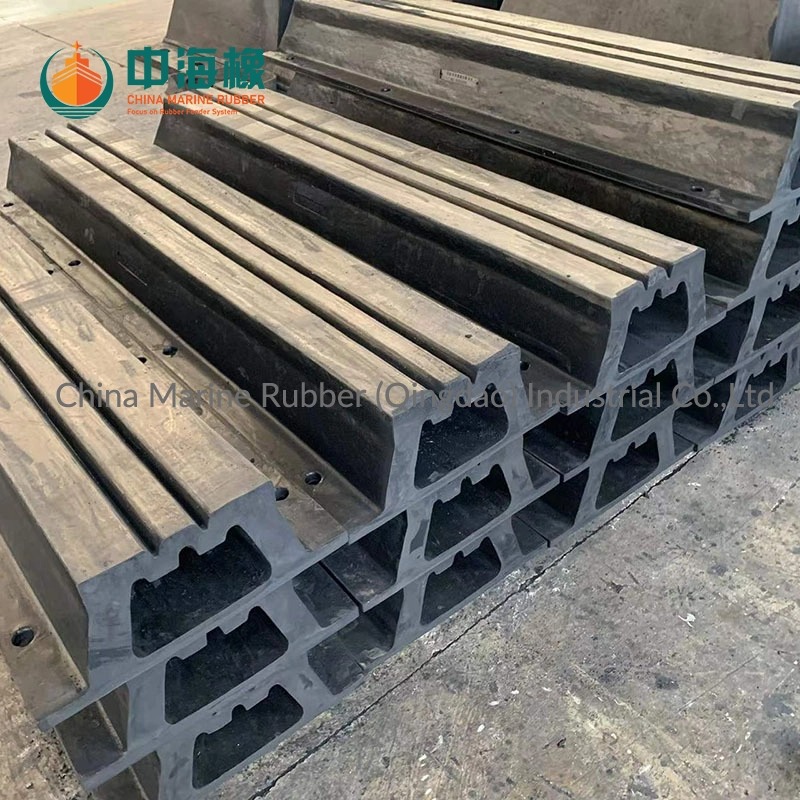
How to Tie Rope to a Marine Fender Step by Step
Step 1: Pass the Rope Through the Fender Eye
Step 2: Decide the Hanging Position
Step 3: Tie a Secure Knot at the Fender End
Step 4: Secure the Other End to the Boat
Step 5: Adjust the Height and Tension
Best Knots for Tying a Marine Fender
Bowline
Why Use a Bowline for a Marine Fender?
Clove Hitch
Why Use a Clove Hitch?
Round Turn and Two Half Hitches
Advantages of Round Turn and Two Half Hitches
Figure-Eight Stopper Knot
Why It Helps
How to Tie a Marine Fender to a Cleat
How to Tie a Marine Fender to a Rail
Vertical vs Horizontal Marine Fender Placement
Vertical Placement
Horizontal Placement
Common Mistakes When Tying Rope to a Marine Fender
Using the Wrong Knot
Hanging the Fender Too High
Letting the Fender Drag in Water
Tying to Weak Fittings
Using Rope That Is Too Thin or Too Short
Ignoring Docking Conditions
Tips for Better Marine Fender Placement
How Many Marine Fenders Should You Use?
When Should You Recheck Fender Lines?
Do Different Marine Fenders Need Different Tying Methods?
Inflatable Boat Fenders
Center-Rope Fenders
Horizontal Fender Types
Commercial Marine Fender Systems
Marine Fender Care and Rope Maintenance
Why Proper Fender Handling Reflects Good Seamanship
Conclusion
FAQ
1. What knot is best for tying a marine fender?
2. How high should a marine fender be hung?
3. Can I tie a marine fender to a rail instead of a cleat?
4. How many marine fenders do I need on a boat?
5. Can the same tying method be used for all marine fenders?