Views: 0 Author: Site Editor Publish Time: 2026-04-08 Origin: Site


In the marine industry, the terms marine fender and buoy are both common, but they refer to two very different products with very different purposes. Because both are used around boats, ports, and water-based operations, some people confuse them, especially those who are new to marine equipment or searching for docking and navigation products online. However, a marine fender and a buoy are not interchangeable. They serve distinct roles in safety, protection, and marine operations. A marine fender is primarily used to protect vessels and structures from impact during docking, berthing, and mooring. Its main function is to absorb kinetic energy and reduce contact damage when a boat or ship comes into contact with a dock, quay wall, jetty, berth, or another vessel. A buoy, by contrast, is mainly used as a floating marker on the water. It helps indicate navigation routes, hazards, mooring points, restricted areas, channels, or other important information for vessels operating at sea, in harbors, rivers, or inland waterways. This difference is fundamental. A marine fender is a protective product. A buoy is a signaling, marking, or floating support product. One is designed to absorb force. The other is designed to provide position, visibility, or floating reference. Understanding the difference between a marine fender and a buoy is important for port operators, marine engineers, boat owners, procurement teams, and anyone involved in maritime infrastructure or vessel operations. Choosing the wrong product for the wrong purpose can lead to poor performance, safety issues, and unnecessary costs. In this article, we will explain exactly how marine fenders and buoys differ in function, design, materials, applications, and selection considerations. A marine fender is a protective device designed to absorb impact energy when a vessel berths against a dock, quay, wharf, jetty, dolphin, or another vessel. Its purpose is to reduce the force of contact and prevent damage to both the ship and the structure. Marine fenders are widely used in ports, harbors, marinas, shipyards, offshore terminals, and on working vessels such as tugboats and barges. Depending on the application, a marine fender may be installed permanently on a structure, fixed directly to a vessel, or used as a floating unit in ship-to-ship operations. The key role of a marine fender is protection. Without proper fendering, even low-speed berthing can result in structural damage, coating wear, dents, cracks, or maintenance problems. This is why the marine fender is a critical component in both small-scale docking and large-scale commercial berthing systems. The main purpose of a marine fender is to absorb berthing energy and reduce impact force during contact. Marine fenders are commonly used on quay walls, jetties, docks, harbor structures, tugboats, barges, offshore transfer points, and ship-to-ship berthing operations. Typical marine fender types include Cell Fender, Cone Fender, Arch Fender, D Type Fender, Square Fender, Cylindrical Fender, W Fender, M Fender, Pneumatic Fender, and Foam Fender. A buoy is a floating object placed in water to serve as a marker, guide, warning device, or mooring point. Unlike a marine fender, a buoy is not mainly designed to absorb docking impact. Its purpose is usually to provide information, location reference, or controlled floating support in a marine environment. Buoys are used in ports, coastal waters, rivers, lakes, offshore zones, and navigational channels. They may mark safe passage routes, indicate underwater hazards, show anchorage limits, identify no-entry zones, support scientific instruments, or serve as mooring buoys for vessels. A buoy is often highly visible and may include colors, lights, shapes, numbers, symbols, radar reflectors, or other signaling features. In this sense, a buoy is part of marine navigation and waterway management rather than berthing protection. The main purpose of a buoy is to mark, guide, warn, indicate position, or provide a floating point of reference on the water. Buoys are used in navigation channels, harbor approaches, restricted zones, anchorages, offshore locations, marinas, and water-monitoring systems. Common buoy categories include navigation buoys, mooring buoys, marker buoys, warning buoys, data buoys, and anchorage buoys. The most important difference between a marine fender and a buoy is their function. A marine fender is designed for protection during contact. A buoy is designed for floating indication or reference. This distinction affects every aspect of the product, including structure, material choice, performance expectations, installation method, and operating environment. A marine fender protects vessels and structures by absorbing impact and controlling reaction force. A buoy provides location, navigation, warning, or mooring reference while floating in a fixed or controlled water position. A buoy cannot replace a marine fender in a docking system, and a marine fender cannot replace a buoy in a navigation or channel-marking system. The clearest way to compare a marine fender and a buoy is by looking at what each one is expected to do in actual marine operations. A marine fender is meant to take impact load. When a vessel comes into contact with a structure or another ship, the fender compresses and absorbs part of that energy. This helps prevent direct hard contact and reduces damage. A buoy is meant to float in a visible, stable position and provide information or support. It may mark a safe channel, indicate danger, support mooring, or hold equipment in a known location. If a project needs berthing protection, it requires a marine fender system. If it needs location marking or a floating signal point, it requires a buoy system. A marine fender and a buoy are also different in how they are designed. Their shapes, structures, and engineering priorities reflect their different tasks. Marine fenders are designed to compress, deform, and absorb force in a controlled way. Their geometry is developed to deliver a specific balance between energy absorption and reaction force. In fixed systems, they may also include frontal panels, chains, anchor systems, and steel support structures. Buoys are designed for flotation, visibility, and stability in water. They often include hollow or foam-filled bodies, mooring connections, signaling equipment, and bright color schemes. Their shape is chosen to suit visibility, water conditions, and marker purpose rather than impact absorption. Marine fender design focuses on force management. Buoy design focuses on flotation, location stability, and visibility. Although both products may use marine-grade materials, the material priorities are not the same. Marine fenders are commonly made from high-performance rubber compounds, foam cores, reinforced elastomers, steel frontal panels, chains, and structural metal components. The materials must perform well under repeated compression, marine weather, and long-term physical stress. Buoys may be made from polyethylene, steel, foam-filled shells, composite materials, elastomeric skins, or other flotation-oriented materials. The key requirement is often buoyancy, corrosion resistance, visibility, and stable long-term performance in water. A marine fender must survive impact and compression. A buoy must remain afloat, visible, and reliable in its marked position. Another important difference between a marine fender and a buoy lies in where and how they are installed or deployed. Marine fenders are usually installed on quay walls, jetties, docks, dolphins, lock walls, workboats, tugboats, or floating berthing systems. They are placed exactly where contact is expected. Buoys are deployed in open water, harbor entrances, channels, restricted areas, anchorages, marinas, or offshore fields. They are moored to the seabed or fixed in a defined floating position. A marine fender sits at the expected point of vessel contact. A buoy sits at a position that needs to be identified, marked, or used as a floating reference. Marine fenders and buoys are both important, but they serve entirely different operational applications. Marine fenders are used for: Docking protection Berthing systems Ship-to-ship transfer protection Tugboat hull protection Quay wall and jetty protection Harbor structure defense against impact Buoys are used for: Navigational channel marking Hazard indication Anchorage identification Mooring point support Boundary or zone marking Scientific or environmental monitoring support If the vessel must safely come into contact with a berth, a marine fender is needed. If the vessel must identify a route or water position, a buoy is needed. This is a common misunderstanding. In general, a buoy is not a substitute for a marine fender. Even if a buoy floats and may appear soft from a distance, it is not designed to perform like a fendering system during berthing impact. A buoy may survive incidental contact in some cases, but that does not mean it is suitable for docking protection. Using a buoy as a berthing protection device can result in poor impact control, vessel damage, product failure, or unsafe operation. A buoy might tolerate some light contact, but it is not engineered to absorb berthing loads in the way a marine fender is. Even when a buoy is used for mooring, its purpose is to provide a floating attachment point, not to cushion impact between a vessel and a structure. Some marine fender types do float, especially pneumatic fenders and foam fenders. This can cause confusion because floating fenders may visually resemble some buoy-like products. However, even when floating, their role remains different. A floating marine fender is still designed to absorb impact and protect vessels during contact. Its flotation supports positioning and performance, but flotation is not its primary purpose. A buoy, by contrast, uses flotation as a core part of its marking or support role. A floating marine fender may look similar to a buoy in the water, but its engineering purpose is impact absorption, not navigation marking. These floating marine fender types are widely used in ship-to-ship transfers, temporary berths, and offshore berthing support because they combine buoyancy with energy absorption. A marine fender and a buoy are also evaluated differently in engineering terms. Marine fenders are assessed by parameters such as: Energy absorption Reaction force Deflection Hull pressure Shear performance Fatigue durability Buoys are typically assessed by factors such as: Buoyancy Stability Visibility Mooring integrity Environmental resistance Marker performance Marine fender engineering is about controlled impact performance. Buoy engineering is about flotation reliability, positional stability, and signaling effectiveness. The easiest way to determine which product you need is to ask what job the product must do in the project. If a vessel will berth, dock, moor alongside, or come into contact with a structure or another ship, a marine fender is the correct solution. If the goal is to identify a location, mark a route, show a hazard, define a zone, or provide a floating mooring position, then a buoy is the correct solution. In many ports and marine environments, both products are used together. A harbor may have marine fenders on the berth and buoys in the approach channel. They support different parts of the overall marine operation. Looking at real situations makes the difference much easier to understand. The quay wall uses marine fenders to protect vessels during berthing. The harbor approach may use buoys to mark the channel and turning basin. Boat owners use marine fenders to protect hulls when docking. Marker buoys may indicate swim areas, no-wake zones, or berth locations. Floating marine fenders may be used during ship-to-ship transfer. Nearby buoys may mark operating boundaries or mooring positions. Buoys guide vessel movement through safe passage. Marine fenders are installed only at locks, docks, or contact structures. Using the wrong product in a marine project can lead to functional failure, safety problems, and higher cost. A project team that buys buoys for berthing protection may end up with inadequate impact performance. A team that expects a marine fender to serve as a navigational marker may end up with poor visibility and incorrect waterway guidance. Improper product use can increase collision, docking, or navigation risk. A buoy used like a marine fender will not deliver proper energy absorption. A marine fender used like a buoy will not deliver proper signaling or marker visibility. Choosing the wrong category often leads to rework, replacement, and project delay. For buyers, understanding the difference between a marine fender and a buoy helps improve project decisions. It allows procurement teams, contractors, and marine operators to communicate clearly with suppliers and specify the correct product for the intended job. Clear understanding means better product selection and fewer design mistakes. Buying the correct product from the start reduces the risk of waste and replacement. A correctly selected marine product performs better, lasts longer, and supports safer operations. The difference between a marine fender and a buoy comes down to purpose, design, and performance. A marine fender is a protective product used to absorb berthing impact and protect vessels and structures during contact. A buoy is a floating marker or support device used to indicate position, guide navigation, warn of hazards, or provide mooring reference. Although both products are widely used in marine environments, they solve completely different problems. A marine fender manages force. A buoy manages information, position, or flotation reference. Understanding this distinction is essential for choosing the right equipment in ports, marinas, offshore operations, and vessel applications. For customers working on berthing infrastructure rather than navigational marking, partnering with an experienced fender manufacturer is especially important. China Marine Rubber (Qingdao) Industrial Co., Ltd. (CMR) focuses on marine rubber fenders, engineering rubber products, and related steel structure products for port and marine protection applications. With product coverage including Cell Fender, Cone Fender, Arch Fender, D Type Fender, Cylindrical Fender, Pneumatic Fender, Foam Fender, frontal panels, ladders, and bollards, CMR supports customers who need practical berthing protection solutions built around product reliability, manufacturing capability, and project-oriented service. No. A marine fender is used to absorb impact and protect vessels or structures during contact, while a buoy is used as a floating marker, warning device, or mooring reference. Generally no. A buoy is not designed to absorb berthing energy like a marine fender, so it should not be used as a substitute in docking or berthing protection. No. Even if a marine fender floats, its main purpose is still impact absorption and vessel protection, not navigation marking or location indication. The main purpose of a buoy is to mark location, guide navigation, indicate hazards, define boundaries, or provide a floating mooring point. They are often used together in ports, marinas, and offshore environments, where buoys mark channels or operating zones and marine fenders protect vessels during berthing or side contact.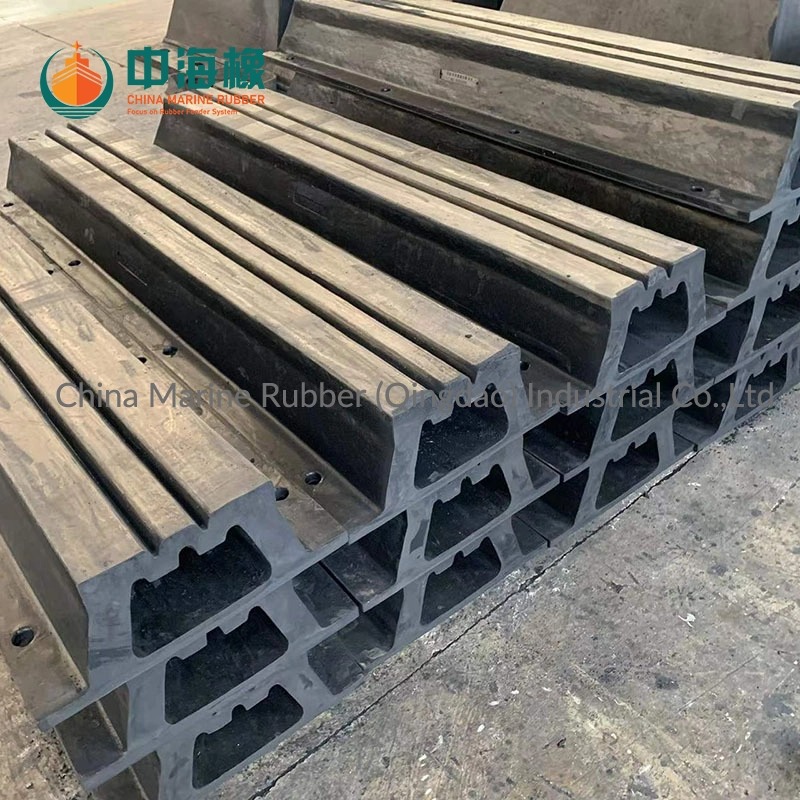
What Is a Marine Fender?
Main Purpose of a Marine Fender
Where Marine Fenders Are Used
Common Types of Marine Fender
What Is a Buoy?
Main Purpose of a Buoy
Where Buoys Are Used
Common Types of Buoy
The Core Difference Between a Marine Fender and a Buoy
Marine Fender = Protection
Buoy = Marking or Floating Reference
They Are Not Interchangeable
Difference in Function
Function of a Marine Fender
Function of a Buoy
Why the Functional Difference Matters
Difference in Design
Marine Fender Design
Buoy Design
Design Priorities Are Different
Difference in Materials
Materials Used in Marine Fenders
Materials Used in Buoys
Performance Requirement Drives Material Choice
Difference in Location and Installation
Marine Fender Installation
Buoy Deployment
Contact Point vs Reference Point
Difference in Applications
Applications of Marine Fenders
Applications of Buoys
Project Selection Depends on Application
Can a Buoy Also Protect a Boat Like a Marine Fender?
Incidental Contact Is Not the Same as Fendering
Mooring Buoys Are Still Not Marine Fenders
Can a Marine Fender Float Like a Buoy?
Floating Does Not Mean Same Function
Pneumatic and Foam Marine Fender Use
Difference in Performance Standards
Marine Fender Performance Criteria
Buoy Performance Criteria
Different Technical Priorities
How to Know Whether You Need a Marine Fender or a Buoy
Choose a Marine Fender If You Need Impact Protection
Choose a Buoy If You Need a Floating Marker or Mooring Point
Some Projects Use Both
Examples of Marine Fender and Buoy Use in Real Marine Environments
At a Commercial Port
At a Marina
In Offshore Operations
In Waterway Navigation
Why Confusing Marine Fenders and Buoys Can Cause Problems
Safety Risk
Performance Failure
Costly Replacement
Why Product Knowledge Matters for Buyers
Better Technical Matching
Better Budget Efficiency
Better Long-Term Performance
Conclusion
FAQ
Is a marine fender the same as a buoy?
Can a buoy be used instead of a marine fender?
Do floating marine fenders count as buoys?
What is the main purpose of a buoy?
Where are marine fenders and buoys usually used together?