Views: 0 Author: Site Editor Publish Time: 2026-08-04 Origin: Site


Marine fenders play a critical role every single day. They protect vital port infrastructure from massive impact forces. They also keep heavy berthing vessels completely safe from hull damage. Neglecting your maintenance schedules creates severe operational risks. You might face unexpected hardware failures. You could experience premature wear on expensive rubber components. Poor maintenance protocols often invalidate manufacturer warranties entirely. Ultimately, this ongoing neglect leads to catastrophic downtime during peak terminal operations. Our goal is straightforward and practical. We provide a standardized, evidence-based maintenance framework. Port managers and marine engineers will learn actionable steps here. You will establish optimal inspection schedules based on accepted industry standards. We will also show you correct retensioning techniques to secure your marine assets.
Initial Retensioning: Fixing bolts on a new cone fender must be retensioned 3 to 6 months post-installation to account for initial rubber settling and operational load.
Standard Inspection Cycle: Visual inspections are recommended monthly, while comprehensive physical inspections (including bolt torque checks) should occur annually.
Event-Driven Checks: Immediate inspection is mandatory following severe weather events, accidental over-compression, or abnormal vessel berthing angles.
Documentation is Key: Maintain rigorous maintenance logs to satisfy insurance compliance, uphold OEM warranties, and inform predictable cap-ex forecasting for replacements.
Port management teams must understand the massive cost delta between routine care and catastrophic failure. A standard retensioning job costs very little. It requires minimal labor and basic hydraulic tools. However, failing to retension bolts invites massive financial risks. Imagine a heavy frontal frame dropping entirely into the sea. Sheared anchor bolts usually cause these dangerous structural failures. Replacing submerged infrastructure disrupts terminal operations for many weeks. You lose valuable berthing revenue daily. Routine maintenance eliminates this specific risk entirely.
Proper tensioning actively extends your total asset lifespan. We must prevent uneven load distribution across the rubber body at all times. Consistent tension achieves this exact goal. Uneven loads cause premature tearing inside the rubber matrix. They also create dangerous shear stress inside a Super Cone Fender body. By spreading impact forces evenly, you preserve the internal structural integrity. The rubber can then absorb maximum kinetic energy safely. When one bolt loosens, adjacent bolts take double the load. This imbalance causes cascading hardware failures.
Documented inspection schedules actively protect your facility liability. Modern global maritime infrastructure standards demand strict operational compliance. The PIANC guidelines offer widely accepted frameworks for proper fender maintenance. Following these specific guidelines aligns your terminal operations with global best practices. Insurers require thorough documentation during berthing incident investigations. Proper digital records prove you maintained a completely safe berthing environment. You avoid costly liability claims from aggressive shipping lines.
Every new installation requires a mandatory initial run-in period. This phase lasts three to six months post-installation. We must focus heavily on the "settling" phenomenon. Rubber naturally compresses under heavy static loads. Initial berthing impacts accelerate this natural compression process. This settling action can quickly loosen essential anchor hardware. You must take decisive action early. Complete a full structural check at this exact stage. Perform your first systematic bolt retensioning now.
You should schedule routine visual inspections monthly or quarterly. Your maintenance team needs to look for specific physical warning signs. Identify any missing UHMW-PE pads immediately. Look closely for obvious slack in the support chains. Spot severe corrosion on exposed steel components. Check for visible rubber surface cracking. This implementation reality is simpler than most port operators think. You can often conduct these checks via small patrol boats. Drone inspections offer another excellent, highly efficient option. Drones capture high-resolution images safely. Neither method disrupts standard daily port operations.
Annual comprehensive inspections remain absolutely non-negotiable. Physical actions replace simple visual checks here. Perform accurate torque testing on all fixing bolts. Measure current UHMW-PE pad thickness carefully. Compare these exact measurements against minimum wear thresholds. Heavy corrosion demands highly specialized attention. Conduct NDT (Non-Destructive Testing) on frontal frame weld seams. Dye penetrant testing spots dangerous micro-cracks in steel welds. NDT reveals hidden structural weaknesses long before actual failure occurs.
Inspection Phase | Frequency | Key Focus Areas | Action Required |
|---|---|---|---|
Initial Run-In | 3 to 6 months after installation | Rubber settling, hardware loosening | First systematic bolt retensioning |
Routine Visual | Monthly to Quarterly | UHMW-PE pads, chain slack, rust | Drone or boat visual assessment |
Comprehensive Physical | Annually | Torque values, pad thickness, welds | Hydraulic torque testing, NDT |
Event-Driven | Post-storm or major impact | Shear chains, rubber deformation | Immediate full structural audit |
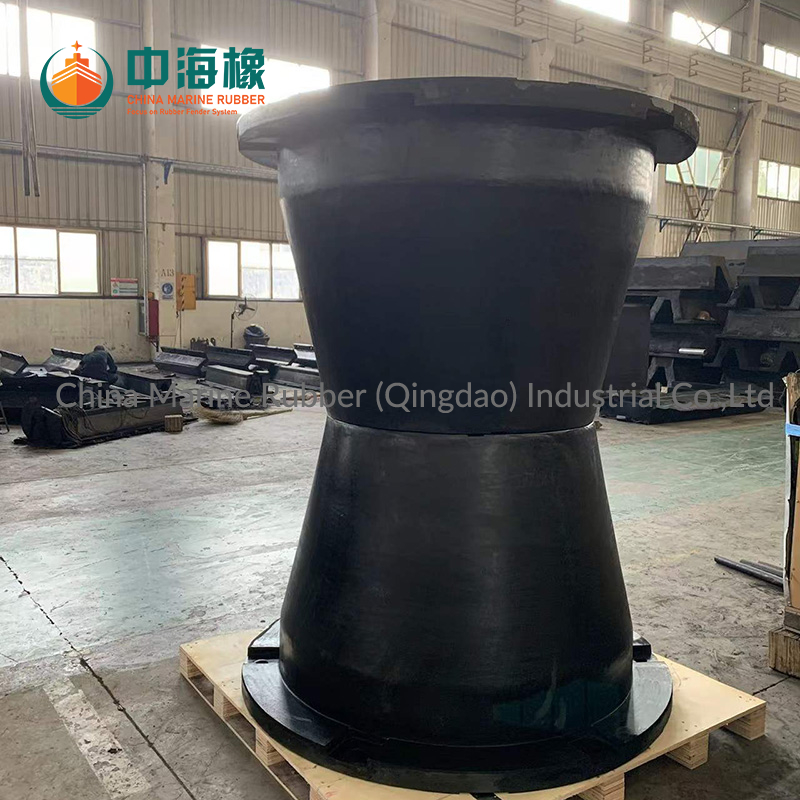
Retensioning is highly precise engineering work. It is never just "tightening until it stops." Over-tensioning can severely damage the embedded steel flanges. It warps the heavy steel mounting plate permanently. It also degrades the vital rubber bond dangerously. Conversely, under-tensioning leads to excessive hardware vibration. This constant vibration causes rapid anchor bolt fatigue. Loose hardware inevitably fails during heavy vessel impacts. We must avoid both extremes entirely.
You must follow strict torque specifications carefully. Always use official OEM-provided torque values. These values are highly specific to your installation. They depend on the exact steel bolt grade. Thread size also dictates the required operational torque. A specific Cone Fender model requires tailored tension values. Guessing these important numbers guarantees eventual hardware failure. Check your manufacturer manuals thoroughly before applying heavy wrenches. Standard impact wrenches lack precise torque control. You must avoid using them for final tightening.
Follow execution best practices for optimal long-term results. Apply marine-grade anti-seize compounds during initial installation. Reapply them during major annual maintenance windows. Utilize calibrated hydraulic torque wrenches exclusively. They ensure accurate, uniform tension distribution across the entire fender flange. Accessibility often presents a major logistical challenge. Coordinate your retensioning safely during low tide windows. Use specialized suspended scaffolding when tidal access proves impossible. Strict fall protection protocols keep your maintenance technicians safe.
Routine schedules do not cover sudden emergencies. Certain trigger events demand immediate engineering attention. Heavy storms generate extreme, unpredictable wave action. Accidental over-berthing exceeds the maximum rated rubber deflection. High-angle impacts put immense stress on shear chains. A heavy bow flare hitting the frame corner concentrates massive force. Any of these events can compromise a standard cone fender instantly. You must act fast following these dangerous incidents.
Follow a strict damage assessment protocol to ensure terminal safety.
Step 1: Check the chain systems. Inspect all weight chains, tension chains, and shear chains thoroughly. Look for any permanent steel elongation. Identify any broken, bent, or heavily stressed shackles.
Step 2: Inspect the rubber cone. Search the primary rubber body for deep gouges or cuts. Check for permanent deformation where the rubber lacks natural recovery. Look closely for any separation near the steel mounting flanges.
Step 3: Verify anchor bolt integrity. Inspect the embedment zone comprehensively. Look for visibly bent threads near the concrete base. Inspect the surrounding concrete closely. Spalled concrete around the embedment indicates dangerous hidden stress fractures.
You need clear parameters for end-of-life marine components. Establish strict physical wear thresholds for your port. For example, monitor your UHMW-PE frontal pads constantly. They should generally be replaced when heavily worn down. A standard industry rule is 50% of their original thickness. Measure them using long calipers at the pad corners. Waiting longer risks dangerous steel-to-hull contact. That severe contact causes massive vessel hull damage.
Modern fender designs offer extreme component modularity. This represents a massive operational advantage for procurement teams. You can easily replace individual worn components. Swap out worn frontal frame pads quickly during one shift. Replace specific damaged tension chains without removing the heavy rubber body. You do not always need to replace the entire asset. This modular approach optimizes your annual operational budgets significantly. Replacing an entire system takes a week. Swapping a frontal pad takes hours.
Choose your specialized maintenance partner carefully. Evaluate OEM service contracts using very strict criteria. Demand complete data transparency from all service providers. They should offer high-resolution photographic evidence for every inspection. They must provide precise digital torque logs for every anchor bolt. Ask for condition-based life expectancy models. Avoid external partners who offer vague structural promises. Data-driven maintenance reporting protects your expensive port infrastructure.
Regular inspection schedules shift port maintenance strategies entirely. Strict retensioning prevents unexpected maritime disasters. You move rapidly from a reactive emergency mindset. You enter a predictable, highly stable operational expense model. Proactive care ensures reliable energy absorption year after year. Your port remains safe and fully operational.
Procurement teams and facility engineers must take immediate action. Review your current maintenance logs today. Download a standard digital fender inspection checklist. Better yet, contact a certified marine specialist soon. Schedule a comprehensive infrastructure audit this quarter to protect your terminal.
A: The fundamental schedule (monthly visual, annual physical) is similar, but due to the geometry and higher energy absorption capacity of a Super Cone Fender, paying strict attention to frontal frame alignment and chain tension is particularly critical.
A: No. Achieving the precise required torque prevents thread stripping and uneven load distribution. Calibrated hydraulic or pneumatic torque tools must be used.
A: With strict adherence to inspection, retensioning, and timely component replacement (like chains and facing pads), the primary rubber body can reliably perform for 10 to 15+ years, highly dependent on specific environmental exposure and traffic volume.