Views: 0 Author: Site Editor Publish Time: 2025-12-10 Origin: Site


Rubber fenders are essential for protecting ships and docks. These durable structures absorb impact energy, ensuring smooth operations at ports. However, their performance can be affected by various factors, leading to wear and tear.
In this article, we’ll discuss how to extend the lifespan of rubber fenders. You’ll learn maintenance tips, the impact of environmental conditions, and how proper design and installation can maximize their longevity.
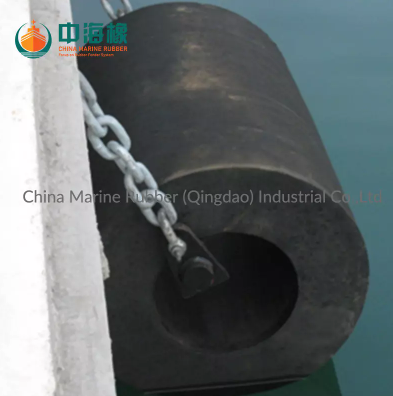
The quality of the rubber compound used in fenders is one of the most significant factors affecting their durability. High-quality rubber compounds are more resistant to wear, UV radiation, and environmental degradation. Rubber with superior tensile strength, toughness, and durability can better withstand the pressures and impacts of marine environments. These high-performance materials are better equipped to handle the consistent physical demands they face while maintaining their protective abilities.
Rubber compounds of inferior quality, on the other hand, can quickly deteriorate when exposed to the harsh conditions of the marine environment. Low-quality fenders tend to crack and break down more easily under UV exposure and physical stress. Therefore, selecting rubber fenders made from high-quality materials is one of the most effective ways to extend their lifespan.
Rubber fenders are constantly exposed to a range of environmental factors that contribute to their wear and tear. Seawater, UV rays, and extreme temperatures are all powerful forces that can degrade rubber over time. Saltwater exposure accelerates the aging process by breaking down the rubber’s chemical structure, while UV radiation causes cracking and hardening. The cumulative effect of these elements can significantly reduce the rubber’s elasticity and impact absorption capabilities.
In addition to UV and saltwater exposure, rubber fenders are vulnerable to pollutants and chemicals found in marine environments, such as oil, sewage, and industrial waste. These contaminants can weaken the rubber material, causing it to degrade more rapidly. To mitigate these risks, it is important to apply protective coatings that shield the rubber from UV radiation, chemicals, and other damaging elements.
Frequent cleaning is also essential to remove dirt, salt deposits, and biological growth that may accumulate on the fender’s surface. Regular inspection and the application of UV-resistant coatings will help prevent these environmental factors from shortening the fender’s lifespan.
The frequency and intensity of impacts play a significant role in the lifespan of rubber fenders. Fenders that regularly absorb large impacts from heavy vessels will wear out faster than those subjected to lighter, less frequent impacts. When ships berth frequently or at high speeds, the fenders experience more stress and wear, leading to a shorter lifespan.
Additionally, the type of vessel that docks at the facility can also influence the rate of wear. Large cargo ships, tankers, and other heavy vessels exert more force on fenders, which accelerates the wear-and-tear process. Conversely, lighter vessels, such as smaller boats and yachts, place less strain on the fender system.
To address this, it’s essential to select rubber fenders that are specifically designed for the type of vessels that frequently dock at your facility. For high-traffic areas or large ships, it’s wise to use thicker or more robust fenders. Fenders that are engineered to withstand higher impact forces will perform better over time and ensure longer protection.
Timely inspections and maintenance are key to prolonging the life of rubber fenders. Regular checks allow for early detection of issues like cracks, cuts, and delamination. This proactive approach prevents small problems from escalating into costly repairs or replacements. Maintenance should include periodic visual inspections to identify any obvious damage, followed by more detailed checks annually to assess the internal structure and integrity of the fender.
Keeping a record of all inspections and maintenance activities is also crucial. This log will help track the condition of the fenders over time and provide insight into when replacements might be necessary. Maintaining a regular maintenance schedule will help keep the fenders in optimal condition and extend their lifespan. A simple inspection, when done regularly, can save significant repair costs in the long run.
| Factor | Impact on Fender Lifespan |
|---|---|
| Material Quality | High-quality materials resist wear, UV radiation, and environmental degradation. |
| Environmental Exposure | Seawater, UV rays, and extreme temperatures can cause cracking and loss of elasticity. |
| Use Frequency and Impact Force | Frequent or high-impact usage accelerates wear and tear, especially for large or heavy vessels. |
| Maintenance and Inspections | Regular checks and repairs prevent minor issues from becoming major problems. |
Frequent inspections help identify minor issues before they lead to fender failure. Visual inspections should be conducted regularly to detect cracks, cuts, or discoloration. A more detailed inspection should occur annually to assess the internal structure and integrity of the fender. Regular maintenance, including lubrication, cleaning, and repair, will prevent deterioration that could shorten the fender’s life.
Routine inspections also help identify early signs of damage such as small cracks or material degradation, which can be repaired before they worsen. Addressing these small issues early on will ensure that the fenders continue to perform optimally and protect the docking structures from impact damage.
By keeping a record of inspections, repairs, and maintenance activities, you can stay ahead of potential issues and ensure that fenders are replaced or repaired before they fail completely. Regular inspections and proactive maintenance will prevent unnecessary downtime and extend the fender's functional life.
Rubber fenders should be cleaned regularly to remove dirt, salt deposits, marine organisms, and other contaminants. A mild detergent and soft brush are typically sufficient for cleaning. Additionally, applying protective coatings can shield the fender from UV rays, saltwater, and chemicals. The cleaning process also helps in removing any contaminants that could accelerate the degradation of the fender material.
After cleaning, it is recommended to apply a UV-resistant coating to protect the fender from sun damage. This is particularly important for fenders that are exposed to prolonged sunlight. Cleaning and coating help to maintain the fender’s integrity and extend its durability.
In addition to UV protection, coatings also serve to prevent the build-up of salt and other debris, which can corrode or damage the rubber material over time. Regular cleaning helps prevent these contaminants from accumulating and ensures that the fenders function effectively.
Rubber fenders are susceptible to chemical degradation when exposed to substances like oil or industrial pollutants. Physical damage, such as abrasion from ships or docks, can also compromise their integrity. Proper handling during docking and regular cleaning can minimize these risks.
Rubber fenders are also at risk of physical wear from sharp edges or rough surfaces. When exposed to excessive friction, the fenders can lose their ability to absorb impacts effectively, leading to premature failure. Installing fenders with reinforced surfaces or adding protective covers in high-contact areas can help reduce physical damage and ensure long-lasting protection.
It’s also essential to avoid exposing rubber fenders to chemicals or environments that could degrade their structure. Regular cleaning and the application of protective coatings will minimize the chemical effects and help maintain the fender’s functionality.
Improper installation can lead to misalignment, stress concentrations, and early wear. Ensure that fenders are correctly positioned and aligned with the quay wall, and that the backing structure can withstand the expected impact forces. Additionally, consider the vessel's size and berthing conditions when selecting fender sizes. Incorrectly sized or poorly installed fenders are more likely to suffer damage quickly.
When installing rubber fenders, ensure that they are placed at the appropriate height and angle to absorb impact forces evenly. This will help prevent localized wear and maximize the fender’s longevity. Proper installation can significantly reduce the risk of early failure and ensure that the fender performs as expected over its lifespan.
By following the correct installation procedures and selecting fenders that are appropriately sized for the load they are expected to bear, you can significantly reduce wear and extend their service life.
Cracks in rubber fenders often result from overloading, high-impact forces, or exposure to extreme temperatures. Delamination can occur if the fender's layers separate due to internal stress or manufacturing defects. Both issues can significantly reduce the fender's effectiveness. Timely detection of cracks or delamination is key to preventing further damage.
It is essential to regularly inspect fenders for signs of damage. Cracks or delamination can compromise the fender’s ability to absorb impacts effectively. If cracks or delamination are found, it is important to repair or replace the damaged fender immediately to avoid compromising its ability to protect the docking infrastructure.
Abrasion is a common issue when fenders are frequently in contact with ships or docking structures. This wear can be minimized by using fenders with reinforced surfaces or applying protective coverings like UHMW-PE pads in high-contact areas. These materials reduce the friction between the fender and the vessel, extending the fender's lifespan.
Ensuring that fenders are properly positioned and do not come into contact with sharp or abrasive surfaces will reduce abrasion. Protective covers can also be used to further minimize wear. Regular inspection of fender surfaces is crucial to ensure that these high-wear areas are maintained.
Chemical exposure, such as oil spills or industrial pollutants, can degrade rubber fenders over time. Regular freshwater rinsing and the application of anti-corrosion coatings can help mitigate these effects. UV radiation can also break down rubber, making it brittle and prone to cracking.
By rinsing fenders with freshwater and applying protective treatments, you can protect them from both chemical and environmental damage. Anti-corrosion coatings will protect metal components, while UV coatings safeguard the rubber material itself.
| Common Issue | Cause | Solution |
|---|---|---|
| Cracks and Delamination | High-impact forces, overloading | Inspect regularly, repair or replace when detected. |
| Abrasion and Wear from Contact | Frequent contact with ships or docks | Use reinforced surfaces or apply UHMW-PE pads in high-contact areas. |
| Chemical Degradation | Exposure to oils, pollutants, or harsh chemicals | Rinse with freshwater and apply anti-corrosion coatings. |
When not in use, rubber fenders should be stored in a dry, cool, and well-ventilated area, away from direct sunlight and ozone. Proper storage prevents deformation and extends the fender's functional life. Storing fenders off the ground and avoiding stacking heavy objects on top will help maintain their shape.
Proper storage is particularly important in preventing long-term damage caused by environmental conditions like excessive moisture or temperature fluctuations. It’s essential to store fenders in a manner that ensures they remain in good shape and ready for use when needed.
Improper handling during transport can cause physical damage, such as cuts or tears. Always use appropriate lifting equipment, such as forklifts with lifting slings, to handle large fenders safely. Avoid using sharp tools or hooks that may damage the rubber.
Proper handling ensures that the fenders remain in good condition during transportation and installation. Using cranes or forklifts with slings when transporting rubber fenders helps prevent damage from metal hooks or improper lifting.
The design and construction of rubber fenders play a crucial role in their durability. Fenders with optimized shapes, reinforced structures, and internal layers are more likely to withstand harsh marine environments. An improved design can enhance energy absorption and distribute impacts evenly.
Using fenders that are well-constructed, with durable internal reinforcements and energy-absorbing materials, will significantly improve their lifespan. Fenders designed with durability in mind can better handle the wear and tear of frequent berthing operations.
Proper installation is essential for maximizing the lifespan of rubber fenders. Ensure that fenders are properly aligned with the quay wall and securely fastened with high-quality, corrosion-resistant hardware. Use galvanized or stainless-steel bolts to prevent rust and deterioration.
Proper alignment, secure fastening, and the right choice of materials for hardware and fasteners ensure that the fenders perform at their best and last longer. Proper installation not only protects the fenders but also ensures that they provide maximum protection to the vessels and docks.

The speed and angle at which a vessel approaches the dock directly affect fender wear. When a vessel docks too quickly or at the wrong angle, the force on the fender increases, causing accelerated wear. Slower, more controlled approaches help spread the impact force over time, reducing stress on the fender. Training ship operators to maintain an optimal approach speed and angle ensures the fender absorbs the impact gradually, extending its lifespan and improving overall docking safety.
Uneven impact distribution causes some fenders to wear out faster than others. Properly positioning fenders ensures that the impact forces are spread across multiple units, preventing localized damage. Correct alignment, based on the vessel's size and docking pattern, helps achieve this even distribution. By ensuring the fenders absorb impact evenly, the system lasts longer and requires less maintenance.
| Berthing Practice | Effect on Fender Wear |
|---|---|
| Controlled Approach Speed | Reduces impact force, prolonging fender lifespan. |
| Proper Angle of Approach | Ensures even distribution of impact forces, reducing localized wear. |
| Distributing Impact Evenly | Proper fender placement ensures that the impact is absorbed evenly. |
To extend the lifespan of rubber fenders, focus on material quality, proper installation, and regular maintenance. By adhering to best practices for cleaning, storage, and handling, fenders can be protected from environmental damage. Regular inspections, load management, and minimizing wear will help reduce costs and improve operational efficiency.
Implementing a maintenance and inspection program ensures optimal performance, preventing costly repairs or replacements. At China Marine Rubber, their products provide outstanding durability and long-lasting protection, making them a trusted choice for rubber fender solutions.
A: Rubber fenders are protective components used in marine environments to absorb impact forces when vessels dock. They prevent damage to ships and docking facilities, ensuring smooth operations and reducing maintenance costs.
A: Regular maintenance, proper installation, and protection from environmental factors such as UV rays and seawater are key to extending the lifespan of rubber fenders. Regular inspections and cleaning will also help maintain their durability.
A: Frequent high-impact forces, exposure to harsh chemicals or UV rays, and poor maintenance are common factors that contribute to faster wear and degradation of rubber fenders.
A: Rubber fenders should be inspected regularly, at least monthly for visual checks, and annually for more detailed assessments. This helps identify potential issues early before they lead to costly repairs.
A: High-quality rubber fenders are more resistant to environmental damage, such as UV degradation and chemical exposure. They offer enhanced durability, reducing maintenance costs and extending their overall lifespan.
A: Proper installation ensures that rubber fenders absorb impact forces evenly and avoid stress concentration, preventing premature wear. Correct positioning according to vessel type and docking conditions is crucial for optimal performance.
A: Yes, small cracks and surface damage can often be repaired through patching or surface treatments. Regular inspections can help identify damage early, allowing for repairs before more extensive wear occurs.