Views: 0 Author: Site Editor Publish Time: 2025-12-05 Origin: Site


Did you know that choosing the right fender can save millions in repair costs? Rubber fenders are quickly becoming the go-to choice in maritime operations. But why are they so effective compared to other fender types?
In this article, we’ll explore the main advantages of rubber fenders over alternatives like metal, pneumatic, and foam fenders. You’ll learn why they’re the preferred solution for ensuring the safety and longevity of vessels and docking infrastructure.
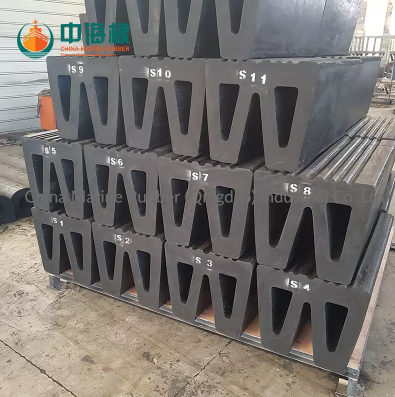
In maritime operations, fenders play a crucial role in absorbing the energy generated during docking and mooring. This energy absorption helps to prevent costly damage to both the vessel and the docking infrastructure. When compared to other fender types, rubber fenders are increasingly favored due to their superior ability to distribute the impact forces efficiently, making them indispensable in modern maritime systems.
As global maritime operations expand, the demand for robust, cost-effective solutions to protect vessels during berthing has never been higher. Rubber fenders address this need by providing a combination of flexibility, durability, and reliability that other materials, such as metal or foam, cannot match. Their widespread use is driven by their adaptability to various maritime conditions, ranging from busy commercial ports to remote offshore rigs.
In addition to their energy absorption capabilities, rubber fenders are becoming the preferred choice due to their versatility and ease of installation. Modern ports and shipping companies are increasingly turning to rubber fenders because of their cost-effectiveness over the long term. Their ability to handle heavy impacts, combined with their low maintenance and long service life, makes rubber fenders an ideal solution for both large-scale commercial ports and smaller, specialized docking locations.
As ports around the world face higher traffic volumes, the need for reliable and durable fender systems has grown. Rubber fenders meet this demand by offering a high level of impact resistance and reducing the frequency of costly repairs or replacements. This trend is especially visible in ports with high turnover, where the vessels and docking infrastructure experience frequent wear and tear from continuous docking operations.
Rubber fenders are typically constructed from high-quality elastomeric materials, such as EPDM (Ethylene Propylene Diene Monomer) rubber, which is known for its exceptional resistance to environmental factors like UV rays, extreme temperatures, and weathering. EPDM is particularly suited for marine environments due to its resistance to ozone, acids, and alkalis, which ensures long-lasting performance. The design of rubber fenders is simple yet highly effective; they are generally cylindrical, conical, or spherical in shape and can be customized to meet specific operational requirements.
The main characteristic of rubber fenders is their ability to compress under impact. This compression allows them to absorb and disperse collision energy, which helps reduce the stress exerted on both the ship’s hull and the docking structure. This feature enables rubber fenders to protect both vessels and port infrastructure effectively during docking.
Rubber fenders use molecular deformation to absorb impact energy. When a vessel strikes the rubber fender, the fender compresses, stretching the polymer chains within the rubber. This process stores the energy from the impact. After the external force is removed, the rubber returns to its original shape, gradually releasing the stored energy. This mechanism is crucial in minimizing the risk of damage to the vessel and the port infrastructure, which ultimately ensures a smoother and safer docking process.
The energy dissipation capability of rubber fenders, particularly their ability to absorb energy over time and space, is a vital factor in preventing damage during high-frequency docking operations. For ports that handle a large volume of traffic, this function is particularly important for maintaining the integrity of both the vessels and the dock.
Metal fenders, though durable, do not offer the same energy absorption capacity as rubber fenders. Due to their rigid structure, metal fenders cannot compress under impact, which means they do not effectively absorb the energy from collisions. As a result, both the vessel and the docking infrastructure are at higher risk of damage from heavy impacts.
On the other hand, rubber fenders are flexible and capable of compressing under pressure. This compression absorbs the energy of the collision, reducing the impact on both the vessel and the dock. Rubber fenders also require less maintenance than metal fenders, and they are not as prone to corrosion or damage over time, making them a more cost-effective solution in the long term.
Pneumatic fenders are another common fender type used in marine applications, typically filled with air to provide a cushioning effect. While pneumatic fenders are capable of absorbing energy, they are not as efficient as rubber fenders when it comes to handling high-velocity impacts. Pneumatic fenders can also be susceptible to punctures or leaks, especially if they are exposed to sharp objects or excessive pressure changes.
Rubber fenders, in contrast, are much more durable, with a longer lifespan and fewer maintenance requirements. They offer consistent performance even in harsh marine environments, making them a more reliable long-term solution compared to pneumatic fenders.
Foam and polyurethane fenders are lightweight and buoyant, which makes them suitable for certain applications. However, they lack the durability and energy absorption capacity of rubber fenders. Foam fenders, in particular, tend to degrade more quickly when exposed to harsh weather conditions, while polyurethane fenders may not handle high impacts as effectively as rubber.
Rubber fenders are designed for long-term use and are highly resistant to environmental factors such as UV rays, temperature fluctuations, and saltwater corrosion. Their superior durability and resistance to degradation make them ideal for high-traffic areas or harsh marine environments.
Tip: When choosing a fender material, consider the specific environmental conditions and operational needs. Rubber fenders are ideal for long-term, high-traffic applications, while foam and polyurethane fenders may be more suitable for lighter duties.
| Feature | Rubber Fenders | Metal Fenders | Pneumatic Fenders | Foam & Polyurethane Fenders |
|---|---|---|---|---|
| Energy Absorption | High | Low | Medium | Medium |
| Flexibility | Flexible and compressible | Rigid and non-compressible | Flexible (air-filled) | Flexible but less durable |
| Durability | High | Moderate | Moderate | Low |
| Maintenance Requirements | Low | High | High (due to air pressure) | Low (but may degrade over time) |
| Cost | Moderate to High | High | Moderate | Low to Moderate |
| Lifespan | 10-20 years | 5-10 years | 5-10 years | 3-5 years |
| Suitability for High-Traffic Ports | Excellent | Poor | Good | Fair |
Rubber fenders excel at absorbing and dissipating impact energy, making them far more efficient than metal or foam fenders in this regard. Rubber’s elasticity allows it to handle substantial impact forces, a feature especially beneficial during high-speed docking or heavy berthing conditions. Metal fenders, being rigid, cannot absorb energy effectively, which may lead to increased damage to both the ship and the port infrastructure.
By absorbing and spreading kinetic energy, rubber fenders prevent unnecessary stress on the vessel’s hull and the docking infrastructure, significantly reducing the risk of damage. The use of rubber fenders in high-traffic ports and busy docking stations proves their superiority in maintaining the structural integrity of both ships and docking facilities.
The key function of rubber fenders is to create a cushioning barrier between the vessel and the docking structure. This barrier helps to prevent direct contact between the vessel’s hull and hard surfaces such as piers or locks. Consequently, rubber fenders reduce the likelihood of scratches, dents, or other forms of damage that vessels might otherwise sustain during docking.
By reducing the impact of docking, rubber fenders also help extend the lifespan of both the vessel and the docking infrastructure. Over time, this results in significant cost savings, as operators spend less on repairs and maintenance.
Safety is of utmost importance during docking and mooring operations. Rubber fenders play a vital role in enhancing safety by absorbing impact energy and reducing the force of collisions. This helps to minimize the risk of injury to crew members and protect the vessel from structural damage.
The ability of rubber fenders to absorb shock forces also leads to smoother docking processes, reducing the chances of accidents and facilitating safer, more controlled mooring. As such, rubber fenders are an essential safety feature in busy port environments, where frequent docking increases the chances of accidents.
Rubber fenders are highly versatile and can be tailored to suit various vessels and docking environments. Whether the requirement is for small yachts or large commercial ships, rubber fenders can be molded into different shapes and sizes to meet the unique needs of each vessel or port. Customization options include various mounting methods and configurations, making rubber fenders adaptable to a wide range of maritime settings.
This level of customization ensures that the rubber fender solution is the best fit for any specific docking or mooring scenario, ensuring maximum protection and efficiency for the vessel and dock.
One of the most significant benefits of rubber fenders is their low maintenance requirement. Unlike pneumatic or foam fenders, which often need to be repaired or replaced, rubber fenders are durable and require minimal upkeep. With proper installation and care, rubber fenders can last anywhere from 10 to 20 years, depending on the usage and environmental factors.
The long lifespan of rubber fenders translates into long-term cost savings, as businesses do not have to worry about frequent replacements or costly repairs. This makes rubber fenders a highly cost-effective choice for maritime operations in the long run.
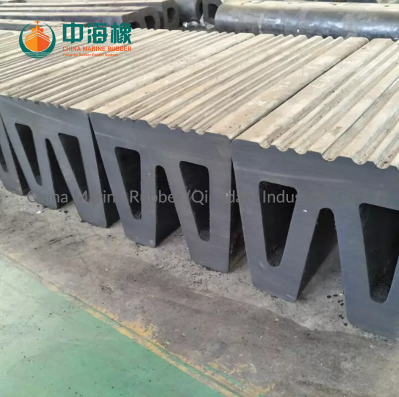
Rubber fenders are recognized for their exceptional durability. Unlike materials that degrade or lose their effectiveness over time, rubber fenders retain their performance for many years. This makes them an excellent choice for port operators, ship owners, and offshore installations that require reliable protection over the long term.
Their resistance to a wide variety of environmental conditions—including saltwater, UV radiation, and temperature changes—ensures that rubber fenders continue to provide effective protection even in the harshest marine environments.
By providing superior protection and energy absorption, rubber fenders help ensure that docking and mooring operations are carried out smoothly and safely. They reduce the force of impacts, protecting both the vessel and the port infrastructure, which contributes to more efficient operations.
Rubber fenders also minimize downtime, ensuring that the docking process is faster and more reliable. The combination of low maintenance, durability, and safety makes rubber fenders the preferred choice for ports and vessels around the world.
Rubber fenders provide an ideal solution for maritime operations by combining superior energy absorption, protection against vessel damage, and long-term durability. Their flexibility, energy absorption capabilities, and ease of maintenance make them the top choice compared to other fender types. For port operators and ship owners seeking to reduce costs, enhance safety, and improve operational efficiency, rubber fenders stand out as the best option.
When selecting a fender material, it is essential to consider the specific needs of the operation, including environmental factors, vessel types, and long-term cost-effectiveness. Rubber fenders offer the best overall value, ensuring the safety of vessels and port infrastructure while minimizing repair and maintenance costs.
For those seeking reliable fender solutions, China Marine Rubber offers high-quality rubber fenders designed for various maritime needs. Their products deliver superior performance, ensuring long-term value and protection.
A: A Rubber Fender is a flexible, impact-absorbing device used in maritime operations to protect vessels and docking infrastructure. Its ability to absorb energy helps prevent damage during docking, making it an essential component in busy ports and for ship owners.
A: Rubber fenders offer superior energy absorption, flexibility, and durability. Unlike metal or foam fenders, they provide better impact resistance, lower maintenance, and longer service life, making them more cost-effective in the long term.
A: Rubber fenders use molecular deformation to absorb and store impact energy. When compressed, the polymer chains in the rubber stretch, storing energy. Once the force is removed, the rubber returns to its original shape, releasing the energy gradually.
A: Rubber fenders provide more consistent performance, longer durability, and lower maintenance compared to pneumatic fenders, which are prone to punctures and air leaks. Rubber fenders also offer better energy absorption, making them ideal for high-traffic docks.
A: While Rubber Fenders may have a higher initial cost, their long lifespan and low maintenance needs make them a cost-effective solution over time. Their ability to reduce repair costs and provide superior protection leads to significant savings in the long run.
A: Rubber fenders typically last between 10 to 20 years, depending on the environmental conditions and frequency of use. Their durability makes them a reliable investment for ports and ship operators seeking long-term protection.