Views: 0 Author: Site Editor Publish Time: 2025-12-03 Origin: Site


Rubber fenders are essential for protecting ships and docks during berthing. But how long do they last? Over time, these crucial components face wear and tear from various environmental factors. Understanding their lifespan can help fleet operators and port authorities optimize their use.
In this article, we’ll explore how long rubber fenders typically last and what factors affect their durability. You’ll learn key insights on maximizing their service life through proper maintenance and installation.
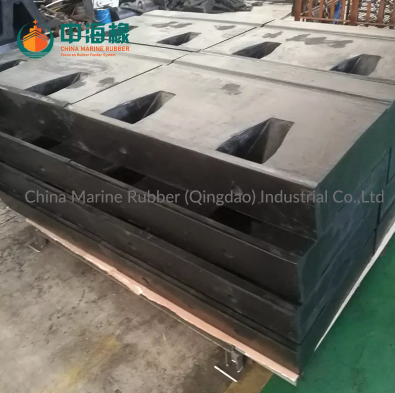
A rubber fender is a robust and resilient device, designed to protect both ships and docking infrastructure. Typically made from durable rubber compounds, these fenders absorb the kinetic energy when vessels come into contact with piers, docks, or other ships. By reducing the impact forces, they prevent damage to the ships and the dock, which is crucial for maintaining the integrity of both. Properly functioning rubber fenders can effectively reduce wear and tear, extending the operational life of both ships and docking structures.
Rubber fenders come in various designs, including cylindrical, arch, cone, and block types. Each type serves a specific purpose and is suited for different docking scenarios and vessel types. When appropriately selected and installed, rubber fenders can withstand substantial impact forces, making them an indispensable part of marine operations.
The design and size of a rubber fender must be selected based on the specific requirements of the dock or vessel it is meant to protect. Here are some commonly used types:
Cylindrical Fenders: This is the most common and versatile design, providing smooth impact distribution. These fenders are typically used in smaller docks or calm water areas and are ideal for moderate vessel sizes and moderate-impact conditions.
Arch Fenders: With their curved shape, arch fenders offer a larger contact surface, making them more suitable for larger vessels or when the ship docks at an angle. They are often used in ferry terminals or large marinas.
Cone Fenders: Known for their superior energy absorption capacity, cone fenders are ideal for situations where high-impact forces are likely. These fenders are commonly used when large ships dock at high speeds or in rough conditions.
Block Fenders: Block fenders are used in scenarios where the ship docks at sharp angles, offering robust protection against such impacts. They are typically used in larger vessel operations or areas with heavy vessel traffic.
| Fender Type | Common Use | Suitable Environments |
|---|---|---|
| Cylindrical | General purpose, moderate impact | Small docks, calm water areas |
| Arch | Larger contact surface for large vessels | Ferry terminals, large marinas |
| Cone | High energy absorption | High-speed docking, rough conditions |
| Block | Sharp angle protection | Large vessels, heavy vessel traffic areas |
Tip: When selecting a rubber fender, ensure that it is appropriately sized and designed for the specific type of vessel docking at your facility. Proper matching ensures the fender provides the best protection, maximizing both its performance and lifespan.
The lifespan of rubber fenders varies depending on several environmental and operational factors. Below are typical lifespan estimates based on the specific conditions in which fenders are used:
Heavy Commercial Ports (5-12 years): Rubber fenders in high-traffic, commercial ports face frequent and high-energy impacts, which cause them to wear out faster. Large vessels and continuous docking cycles lead to the fender’s quicker degradation.
Moderate-use Marinas (10-20+ years): In marinas with moderate vessel traffic and less aggressive conditions, rubber fenders can last significantly longer. Less frequent impacts, combined with milder weather conditions, allow fenders to endure for 10 to 20 years or even longer with proper care.
Harsh Offshore Environments (3-8 years): Offshore environments, where rubber fenders are exposed to saltwater, UV radiation, and extreme weather conditions, experience much faster degradation. These fenders generally need replacement within 3 to 8 years due to the harsh operating environment.
| Environment Type | Estimated Lifespan | Conditions |
|---|---|---|
| Heavy Commercial Ports | 5-12 years | High traffic, large vessels, frequent impacts |
| Moderate-use Marinas | 10-20+ years | Moderate traffic, milder weather conditions |
| Harsh Offshore Environments | 3-8 years | Exposure to saltwater, UV, extreme weather conditions |
Several factors determine the longevity of rubber fenders, such as material quality, operational intensity, and environmental conditions. Understanding these factors helps to predict and manage fender lifespan more accurately:
Material Quality: The higher the quality of the rubber material used, the more resistant the fender will be to wear and tear. High-quality materials, often reinforced with synthetic fibers or additives, offer superior resistance to cracking, UV damage, and corrosion.
Usage Intensity: Rubber fenders used in high-traffic areas, where vessels dock frequently and at higher speeds, will degrade faster. Continuous exposure to heavy impacts causes more rapid compression and rebound, ultimately leading to a shortened lifespan.
Environmental Conditions: Exposure to sunlight, saltwater, and temperature extremes can hasten rubber degradation. In tropical areas, fenders face the dual challenge of UV exposure and saltwater, both of which degrade rubber over time.
| Factor | Impact on Lifespan |
|---|---|
| Material Quality | Higher-quality rubber resists cracking, UV damage, and corrosion |
| Usage Intensity | More frequent and intense impacts shorten lifespan |
| Environmental Conditions | UV, temperature extremes, and saltwater degrade rubber faster |
Tip: If your facility operates in a high-traffic area or harsh environmental conditions, consider investing in high-performance rubber fenders made from reinforced materials. These fenders will provide better longevity and reliability under demanding conditions.
The durability of rubber fenders is directly related to the quality of the rubber compound used in their manufacture. High-performance rubbers like natural rubber or reinforced synthetic rubbers provide better resistance to physical stress, UV exposure, and chemical degradation. When a fender is made from a high-quality compound, it absorbs impacts more efficiently, extends its service life, and requires fewer replacements.
Using inferior rubber materials or substandard compounds leads to a quicker breakdown of the fender, meaning more frequent replacements and increased operational costs. Investing in high-quality materials for rubber fenders is essential for ensuring long-term protection and cost savings.
The more intense and frequent the impact loads a fender absorbs, the faster its lifespan will decrease. Large vessels docking at high speeds or with heavy momentum apply significant stress to the fender. These repeated high-energy impacts result in more rapid compression cycles, causing the rubber to lose its elasticity and energy absorption capabilities.
As impact loads increase, the rubber’s ability to cushion the force of docking diminishes, and the fender becomes less effective at protecting both ships and docks. Over time, this results in the need for more frequent maintenance and eventual replacement of the fender.
UV exposure from the sun can cause rubber to become brittle and lose flexibility. This leads to cracks and splits, compromising the fender’s ability to absorb impacts. Extreme temperatures can also have a similar effect, causing rubber to stiffen and become more prone to breaking. Fenders exposed to saltwater, in particular, are at risk of further accelerated degradation, as the salt content corrodes the rubber, weakening its structure over time.
Chemical pollutants, such as oils, industrial runoff, and other contaminants, contribute significantly to the degradation of rubber fenders. Exposure to these chemicals can cause the rubber’s molecular structure to weaken, leading to cracks, brittleness, and reduced performance. Additionally, saltwater exposure is particularly damaging to rubber fenders, as the salt acts as a corrosive agent, further breaking down the material.
Proper installation is essential to the longevity of rubber fenders. When a fender is installed correctly, it can evenly distribute impact forces, reducing stress on individual parts and preventing damage. Misalignment or improper mounting, however, leads to uneven pressure distribution, which accelerates wear and tear in localized areas.
Visible damage such as cracks, splits, or flattening is often the first sign that a rubber fender is no longer performing as it should. These damages occur over time due to repeated impacts, weathering, or environmental conditions. When rubber fenders start to deteriorate in this way, they lose their ability to absorb shock effectively, leading to the potential for more severe damage. Cracks and splits in the rubber reduce its elasticity, making it less capable of cushioning the impact when ships dock. Flattened areas signify that the fender has been compressed beyond its optimal capacity, and may no longer recover its original shape. These signs are an indication that the fender is no longer providing adequate protection to the ship or the dock, and it’s essential to replace the fender immediately to avoid further damage to both.
Energy absorption is one of the key functions of a rubber fender. Over time, with repeated impacts, rubber fenders lose their elasticity, which directly affects their ability to absorb kinetic energy from a docking vessel. If the fender is no longer able to effectively absorb energy, the result is a harder landing for vessels. This means that the shock is not being distributed properly, and the impact is transferred directly to the ship or the docking infrastructure. If you notice that ships are docking with more force or if there is increased vibration during docking, it’s a clear sign that the fender’s energy absorption capacity has been compromised. This is a major safety concern, as it increases the risk of damage to both the vessel and the dock. In this case, replacing the fender is necessary to maintain the safety and smooth operation of the docking process.
Fender hardware, including bolts, plates, and mounting brackets, plays a critical role in keeping the fender securely in place. These components are subjected to wear and tear as well, and over time, they can become loose or damaged. Loose mounting hardware can lead to uneven distribution of impact forces, which puts additional strain on the rubber fender, accelerating wear and tear. If a bolt or bracket is missing, or if the fender has shifted from its original position, it may not function as intended, leading to ineffective shock absorption. In addition, damaged components may cause the fender to shift or fail during use, which increases the likelihood of both the fender and docking structures being damaged. Regular inspections of these components are essential to ensure they remain in good condition. Any damaged or loose hardware should be replaced promptly to avoid compromising the integrity and performance of the fender system.
Performance indicators are another crucial aspect to consider when determining whether a rubber fender needs replacement. One of the most notable signs is if you consistently feel stronger impacts during docking. This suggests that the fender’s ability to absorb energy has diminished, and it is no longer able to cushion the vessel’s docking force effectively. Additionally, if the fender no longer returns to its original shape after compression, this is a clear sign of damage. Rubber fenders are designed to compress when a vessel docks, and then rebound to their original shape once the pressure is relieved. If the fender fails to do so, it is an indication that the material has worn out or degraded to the point where it no longer serves its intended purpose. In these cases, the fender must be replaced as soon as possible to ensure continued protection for both the vessel and the dock. These performance issues not only indicate the fender’s failure but also suggest the need for an urgent replacement to prevent potential accidents or damage.
| Sign of Wear | Implication | Action Needed |
|---|---|---|
| Visible Damage | Cracks, splits, flattening | Immediate replacement |
| Reduced Energy Absorption | Harder impacts during docking | Replace the fender |
| Loose or Damaged Components | Reduced performance, increased wear | Inspect and repair |
| Performance Issues | Less effective at absorbing impact | Consider replacement |
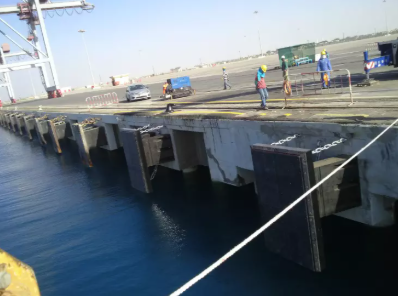
Regular inspections play a crucial role in extending the lifespan of rubber fenders. By examining fenders at least once a month, you can detect early signs of wear, such as cracks, thinning, or discoloration, before they develop into more serious issues. Identifying these issues early allows for prompt repairs or replacements, which can significantly reduce the overall maintenance costs. Inspections should be thorough, checking not only the rubber surface but also the fender's mounting hardware, alignment, and condition. This proactive approach ensures that potential problems are addressed before they compromise the fender’s ability to protect the vessel and dock.
Routine maintenance is key to prolonging the life of rubber fenders. Cleaning the fender regularly helps prevent the buildup of marine growth, salt, and debris, all of which can cause abrasive wear and reduce the effectiveness of the fender. Saltwater, in particular, can accelerate degradation, so it's essential to rinse fenders with fresh water after exposure to saltwater. Lubricating moving parts, such as pneumatic fenders or any hardware components, ensures that they operate smoothly and do not wear down prematurely. Additionally, addressing minor damages, like small cracks or abrasions, quickly with a rubber patching kit can prevent further damage and extend the fender's overall life. This type of routine care helps keep the fender performing at its best, providing reliable protection over the long term.
The installation of rubber fenders plays a significant role in determining how long they will last. Correct alignment, positioning, and spacing are essential to ensure that the fender absorbs impact forces evenly. Improper installation can lead to uneven wear, where one area of the fender may experience excessive stress, while others are underutilized. This uneven wear accelerates the degradation of the fender and reduces its effectiveness. Additionally, if the fender is not installed according to the manufacturer’s guidelines, it may be subjected to stress concentrations that cause premature failure. Ensuring proper installation will optimize the fender's performance, reducing the need for frequent replacements and maintenance.
When rubber fenders are not in use, proper storage is essential to protect them from environmental damage. Storing fenders in a cool, dry, and shaded area helps prevent degradation caused by UV exposure, extreme temperatures, and other environmental factors. Prolonged exposure to sunlight can cause the rubber to become brittle and lose its elasticity, while extreme heat or cold can lead to cracking or hardening of the material. By storing the fenders properly, you prevent unnecessary wear and ensure that they remain in optimal condition when needed. This simple yet effective measure can significantly extend the fender’s service life.
The way ships are docked plays a critical role in the wear and tear of rubber fenders. Docking personnel should be trained to manage docking speeds and angles to minimize the intensity of impacts. Docking at high speeds or at sharp angles places excessive stress on the fender, which accelerates its degradation. By maintaining controlled docking speeds and angles, the fender’s ability to absorb energy is preserved, reducing wear and tear over time. This practice not only extends the lifespan of the fender but also ensures the safety of the vessel and docking infrastructure.
Proper inspection and cleaning are essential for maintaining rubber fenders. When inspecting the fender, check for any visible cracks, tears, or areas of thinning that could compromise its structural integrity. Look for signs of wear around the mounting points and other stress areas. Cleaning should be done using fresh water to remove salt, marine growth, and debris that can cause abrasive damage to the surface. Avoid using abrasive brushes or harsh chemicals, as these can damage the rubber and reduce its effectiveness. By regularly cleaning and inspecting the fender, you ensure that minor issues are detected early and addressed before they become serious problems.
Minor damages, such as small cracks or surface abrasions, can often be repaired quickly using a rubber patching kit. These kits are designed to seal small cuts or scratches and restore the fender's ability to absorb impact. Ignoring these minor damages can lead to larger cracks and further deterioration, requiring more extensive repairs or even full replacement. By addressing small damages as soon as they appear, you prevent them from worsening and ensure the fender continues to perform at its best. This practice helps extend the fender’s overall lifespan and reduces the frequency of costly repairs or replacements.
For pneumatic fenders, maintaining the correct internal pressure is essential for ensuring their effectiveness. These fenders rely on air pressure to absorb impact energy, so any deviation from the manufacturer’s recommended pressure range can compromise their performance. Regularly checking the pressure with a calibrated gauge is necessary to ensure the fender operates at its optimal level. If the pressure is too low, the fender may become under-inflated and unable to absorb impact forces properly. Conversely, over-inflation can cause the fender to become too rigid, reducing its shock-absorbing capacity. Adjusting the pressure and ensuring proper lubrication for any moving parts are critical steps in maintaining pneumatic fenders for long-lasting performance.
The lifespan of rubber fenders is influenced by material quality, environmental conditions, and maintenance practices. Regular inspections, proactive maintenance, and proper installation can significantly extend their lifespan, reducing replacement needs. With proper care, rubber fenders offer reliable protection for vessels and docks. Companies like China Marine Rubber provide high-quality fenders that ensure durability and performance. Their products help maintain smooth operations, preventing costly repairs and downtime.
A: The lifespan of a rubber fender depends on factors like material quality, usage, and environmental conditions. On average, fenders can last between 5 to 20 years, with harsh conditions reducing their lifespan.
A: Regular inspections, proper maintenance, and correct installation can significantly extend the lifespan of a rubber fender. Routine cleaning and lubrication also help prevent wear and tear.
A: Key factors include material quality, frequency of use, exposure to UV, saltwater, and temperature extremes. These conditions contribute to the wear and tear on the rubber fender, shortening its lifespan.
A: Rubber fenders exposed to saltwater, UV rays, and extreme temperatures degrade faster due to chemical reactions that weaken the rubber, reducing its elasticity and impact absorption capabilities.
A: Yes, minor damages like cracks and tears can often be repaired using a rubber patching kit. Prompt repairs help prevent further damage and extend the fender's lifespan.